
The task of a Chaplain.

Not something that I was prepared to answer

I was visiting patients & offering them prayer alongside my beloved brother, Bobby. I was not at the hospital as a chaplain, I was there because Bobby was a patient.

The hospital eventually noticed and in due time I was called for a chaplain interview. I answered a call for an interview, unaware it would lead to a calling I had yet to understand.

“What is the task of a chaplain?” — I was asked

“You know, go to the gift shop... get patients flowers, candy, whatever might make a patient more comfortable.”

That was my way of being sincere at the time. Compassionate. And it was incomplete.

?
The turning point

My instructor did not dismiss the heart behind my answer.

“I’m going to teach you.”

Four units later Clinical Pastoral Education transformed a good intention into a trained ministry of presence

The answer was formation

Presence became a ministry.

I entered the first bilingual chaplain program of its kind. Through real encounters, reflection, supervision, and spiritual formation, I discovered that chaplaincy is not about arriving with the perfect speech.

It is about becoming the kind of person who can enter a difficult room and help another person feel seen, heard, and accompanied.

Listen Reflect Grow Return

What chaplaincy really is

Care without taking over the story.

A chaplain brings spiritual and emotional care into moments of illness, grief, trauma, recovery, uncertainty, and hope. The work is deeply human: noticing what is happening, listening for what matters, and responding without forcing easy answers or imposing one’s own beliefs.

Follow the patient’s lead

Some people need prayer. Some need questions. Some need silence. Care begins by paying attention.

Support the whole circle

Illness affects patients, families, caregivers, and healthcare teams—not only the person in the bed.

Honor every person

Professional chaplaincy serves across faiths, cultures, beliefs, and backgrounds with humility and respect.
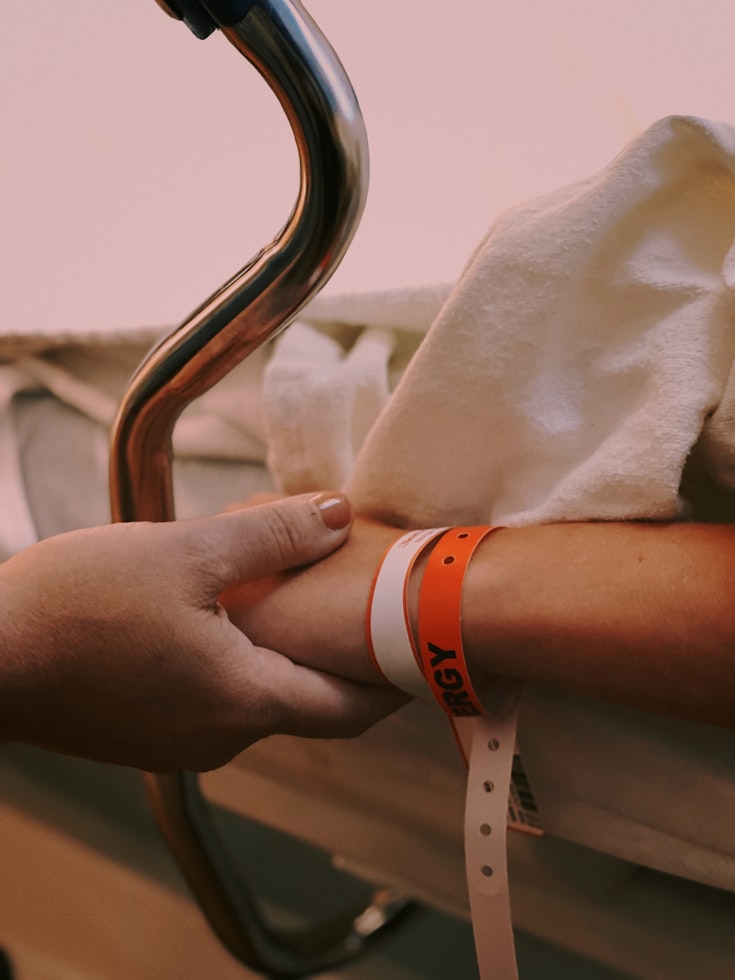
A compassionate healthcare conversation

People do not always need to be talked out of what they feel. Sometimes they need a safe place to tell the truth about it.

Clinical Pastoral Education

The caregiver is part of the care.

CPE places students inside real caregiving relationships and asks them to examine not only what they did, but what happened within them. Their history, assumptions, emotions, theology, strengths, limitations, boundaries, and use of authority all become part of the learning.

The CPE movement grew from early twentieth-century efforts to unite theological education with clinical practice. Today it remains a central formation path for professional healthcare chaplaincy, with internships, residencies, extended programs, and advanced specialization.

Action

Enter the room, build a caregiving relationship, and respond to a real human need.

Reflection

Study the encounter through supervision, peer feedback, writing, theology, and honest self-awareness.

Return

Go back into ministry with greater skill, clearer boundaries, deeper humility, and a more grounded presence.

What is CPE?

So, what is CPE—and what does it ask of those who feel called to spiritual care? If you are considering chaplaincy as a profession or want to take spiritual care ministry further, CPE will likely become an important part of that journey. My name is Manny Gomez and I've been a hospital chaplain since 2001. For anyone wishing to learn more, I created this no-cost guide as a clear and practical introduction to Clinical Pastoral Education. It was developed for and used in CPE classes at Banner Hospital in Phoenix, Arizona, with the hope of helping future chaplains begin with greater understanding, humility, and purpose.

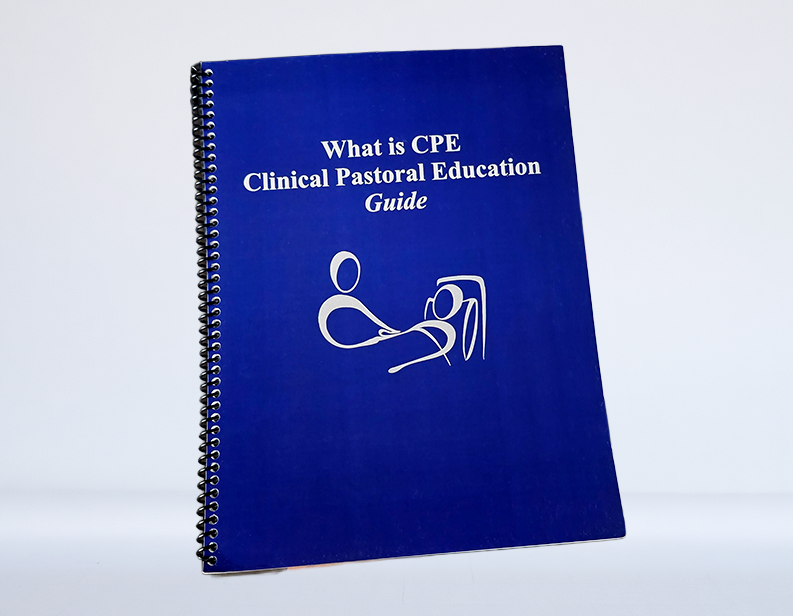
What is CPE Clinical Pastoral Education guide

Table of Contents

  1. Introduction
  2. History of Clinical Pastoral Education (CPE)
  3. Purpose of CPE
  4. Who can take CPE?
  5. Ways to do CPE
  6. Why CPE?
  7. How to pick an organization and location
  8. What does a chaplain resident do?
  9. The CPE Application
  10. How to ace your CPE application
  11. Preparing for CPE
  12. How to succeed in CPE

Want to get involved?

Help compassionate care reach the bedside.

You do not need to begin as an expert. Begin with curiosity, humility, and a willingness to learn. There are meaningful ways for ministers, churches, hospitals, educators, donors, and community partners to strengthen spiritual care.

Explore CPE Training
Host a chaplaincy presentation Education
Support bilingual formation Access
Partner with a clinical site Opportunity
Help future chaplains train Impact

See the ministry in motion.